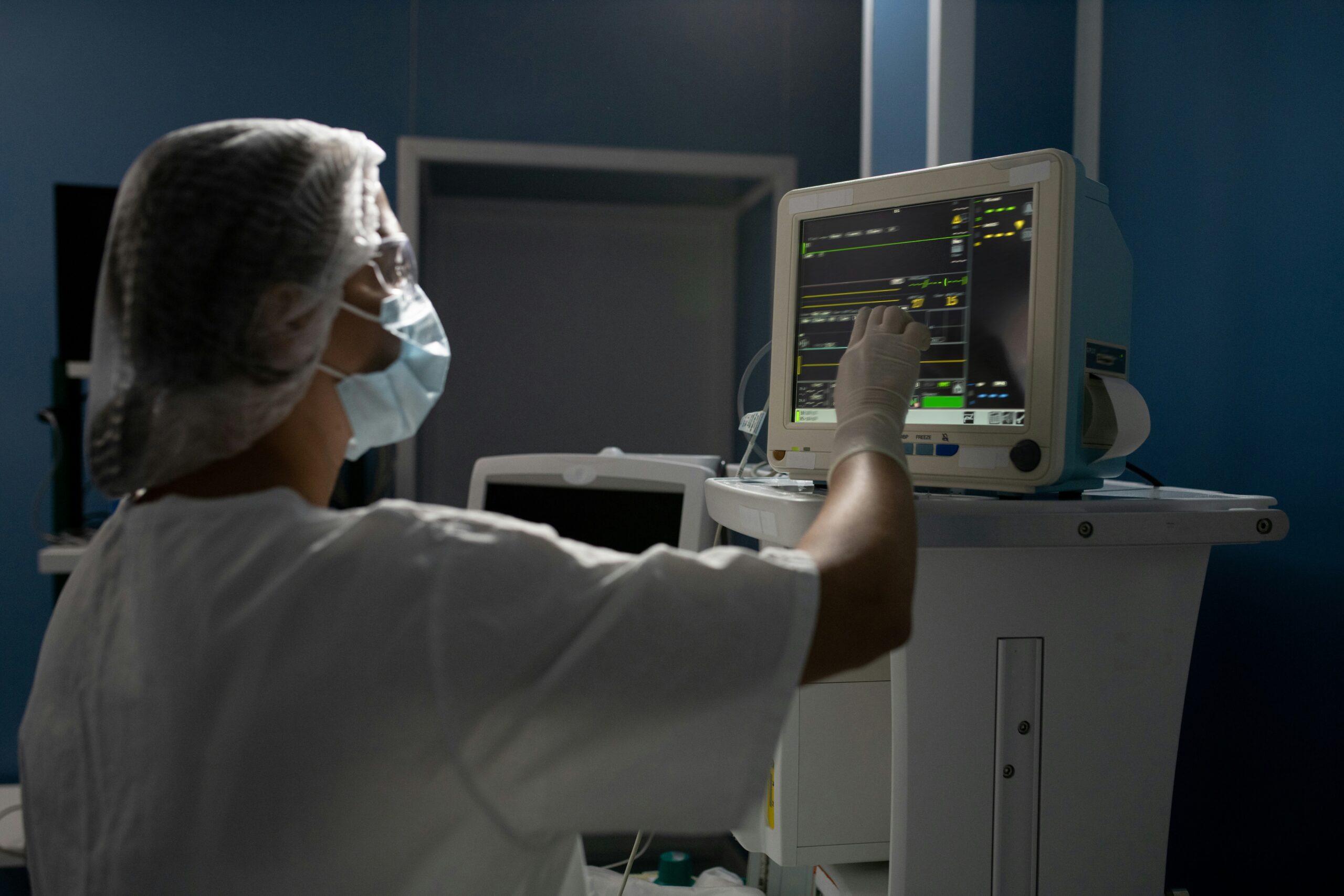
Healthcare teams face increasing pressure to deliver faster, safer, and more coordinated patient care, yet traditional systems often fall short in supporting their daily demands. However, practical AI continues to reshape how clinicians manage documentation, triage, diagnostics, and communication, offering meaningful improvements that streamline routine tasks.
As adoption expands, practical AI helps reduce burnout, strengthen accuracy, and enhance patient outcomes by reinforcing clinical efficiency where it matters most. These real-world tools now fit seamlessly into daily clinical workflows, keeping care teams focused on what they value most: patient well-being.
Practical AI Enhancing Documentation Efficiency
Clinicians spend significant time entering data into electronic health records, and this often limits time spent with patients. However, practical AI reduces that burden by converting voice notes, structured entries, and contextual cues into accurate documentation. These tools also simplify charting steps, enabling providers to close encounters more quickly without sacrificing quality.
Although documentation challenges continue to grow, practical AI offers sustainable relief for teams across specialties. Many systems now suggest phrasing, flag inconsistencies, and streamline templates. As a result, clinicians experience smoother workflows, improved accuracy, and more time for direct patient interactions.
Practical AI Improving Clinical Decision Support
Modern healthcare teams need rapid access to reliable insights, and practical AI enhances decision support by providing real-time risk assessments, alerts, and treatment recommendations. Additionally, these systems help clinicians interpret data more efficiently, especially when time-sensitive decisions are required. By refining how information is delivered, they increase situational awareness and confidence in high-pressure moments.
While clinical judgment remains essential, practical AI enhances the decision-making process rather than replacing it. Many providers appreciate how these tools highlight potential gaps and help surface crucial trends. With this support, clinicians maintain a clearer view of patient needs and deliver more informed, tailored care.
Practical AI Accelerating Patient Triage and Intake
In busy clinical environments, triage delays can create bottlenecks that slow care delivery. Yet practical AI resolves many of these challenges by guiding patients through digital intake steps that gather histories, symptoms, and risk factors. Moreover, these systems help classify urgency levels before the patient reaches the clinician, enabling faster resource allocation.
This streamlined approach improves transparency for both staff and patients, while also reducing unnecessary waiting. Since practical AI organizes information before the encounter begins, clinicians start each visit with a strong baseline understanding. Consequently, they move through appointments more effectively and maintain better continuity across care teams.
Practical AI Strengthening Diagnostic Accuracy
Diagnostic accuracy influences every stage of care, and practical AI provides valuable support by analyzing imaging, lab results, and clinical patterns. Although clinicians remain responsible for final decisions, these systems highlight subtle findings and reduce the chance of missed information. Additionally, they help compare patient data against large datasets that reveal meaningful correlations.
As practical AI grows more advanced, diagnostic tools become more precise and easier for teams to integrate. This improvement helps reduce variability and supports earlier detection in high-risk cases. With enhanced accuracy, clinicians can intervene sooner and deliver proactive care that improves long-term outcomes.
Practical AI Improving Care Coordination Across Teams
Daily workflows depend on smooth communication, yet fragmented systems often create delays and misunderstandings. Practical AI addresses these issues by organizing messages, summarizing updates, and routing information to the right team members. Furthermore, these tools maintain a continuous flow of essential details, so providers never lose sight of patient needs.
Better coordination reduces errors and ensures that everyone involved shares a common understanding of the care plan. As teams experience fewer disruptions, they move through tasks more confidently and maintain stronger collaboration. With practical AI guiding communication, clinical groups respond faster and stay aligned throughout each patient’s journey.
Practical AI Supporting Predictive Analytics for Operations
Clinical operations benefit greatly from foresight, and practical AI assists by forecasting patient volumes, staffing requirements, and resource demand. Moreover, predictive insights help leaders anticipate challenges before they escalate. This advantage enables smoother planning, reduced overcrowding, and more balanced workloads.
Because operational stress impacts patient care, practical AI becomes an essential asset for hospitals and clinics seeking long-term stability. After leaders integrate these tools, they better understand patterns that previously felt unpredictable. This clarity supports strategic choices that raise efficiency while protecting patient care standards.
Practical AI Advancing Patient Engagement and Self-Management
Patients play a central role in their health, and practical AI enhances engagement by offering personalized reminders, education, and symptom-tracking tools. Additionally, these platforms help people better understand their treatments, which increases follow-through and confidence. As patients manage conditions more actively, clinicians see improved continuity and readiness at each visit.
Engaged patients often experience smoother recoveries and fewer complications, and practical AI promotes these outcomes across diverse populations. Because the tools adapt to each patient’s needs, they create a supportive environment that strengthens trust. This shared partnership helps reinforce the connection between clinical efficiency and meaningful patient care.