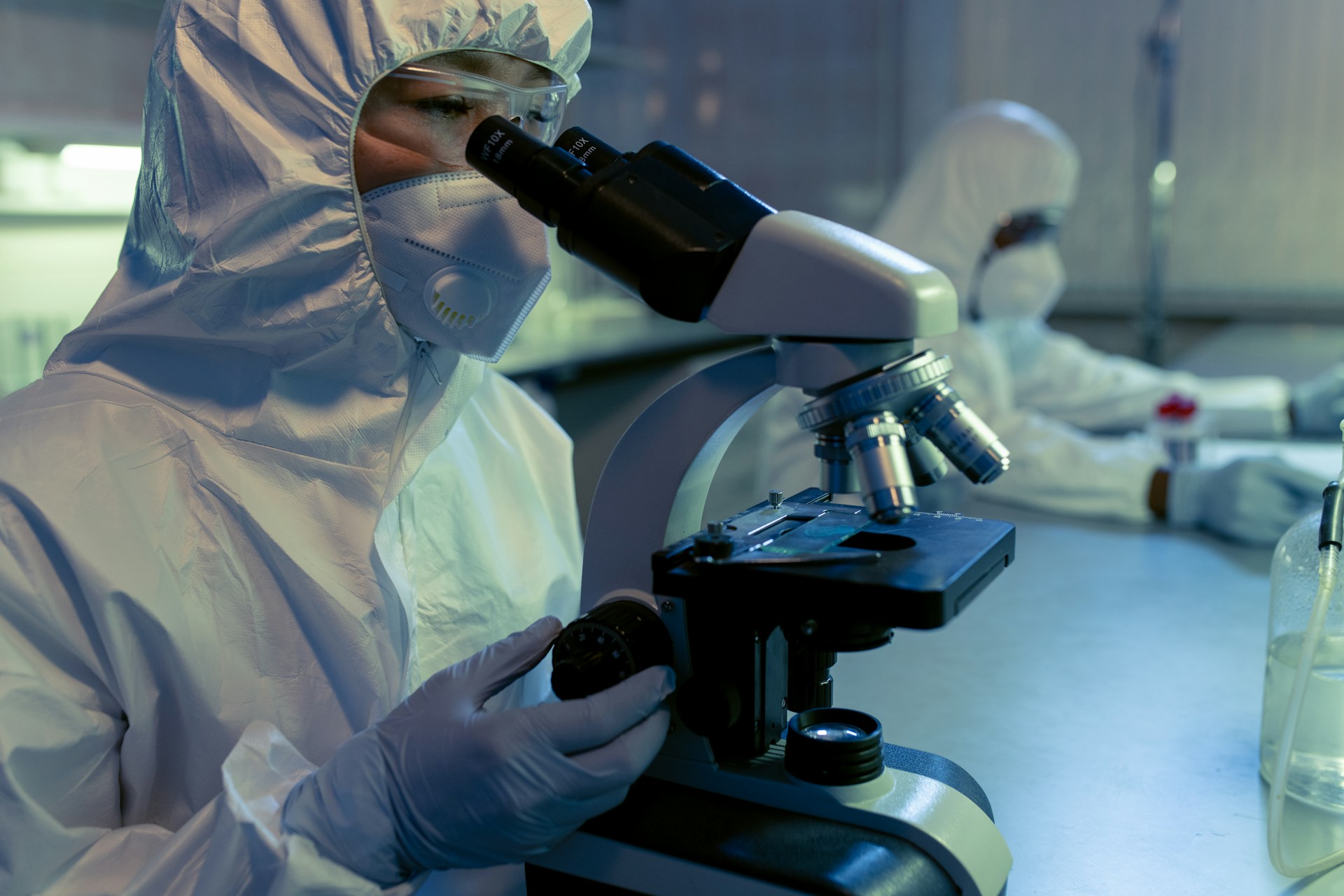
Millions of people around the world live with conditions that lack approved treatments, and this reality affects families, caregivers, and entire communities. For decades, these patients have faced limited options and uncertain futures, yet science has not stood still. Researchers, clinicians, and innovators now work together to change that story. In the middle of this transformation, orphan disease treatments are gaining attention as laboratories push beyond traditional limits. As a result, new ideas are becoming real therapies that aim to restore hope and dignity to those once overlooked.
Why Untreated Diseases Have Long Been Overlooked
Untreated diseases often affect small patient populations, which has historically reduced commercial interest. As a result, research funding tended to focus on widespread conditions with apparent market demand. However, this approach left rare and complex illnesses behind. Over time, patients with these conditions relied on symptom management instead of targeted care, which created frustration and long-term health risks.
Still, change began when scientists recognized that rare diseases could unlock insights into human biology. For example, studying a single genetic mutation often reveals pathways that apply to many conditions. Therefore, investing in untreated diseases started to make scientific and economic sense. This shift encouraged policymakers, advocacy groups, and biotech firms to collaborate more closely.
The Rise of Precision Medicine
Precision medicine has reshaped how researchers approach diseases without treatment. Instead of offering one-size-fits-all solutions, scientists now design therapies that target specific genetic or molecular causes. Because of advances in genome sequencing, identifying disease drivers has become faster and more affordable. Consequently, drug development timelines have shortened.
Moreover, precision medicine allows doctors to match patients with therapies that suit their biology. This approach improves outcomes and reduces side effects. For rare conditions, this tailored strategy is compelling, given that patient populations are small and diverse. As a result, precision medicine has become a cornerstone of pioneering therapies.
Gene Therapy Changing the Treatment Landscape
Gene therapy stands at the forefront of innovation in the treatment of untreatable diseases. By correcting or replacing faulty genes, these therapies address the root cause rather than symptoms. Early trials focused on inherited disorders, yet success stories quickly followed. Patients who once faced progressive decline began to experience improved function and quality of life.
At the same time, delivery methods have improved. Viral vectors, for instance, now target specific tissues with greater accuracy. Therefore, safety profiles continue to improve with each new study. While challenges remain, gene therapy has proven that previously untreatable conditions can respond to bold scientific thinking.
Cell-Based Therapies Offering New Possibilities
Cell-based therapies, including stem cell treatments, also play a significant role in addressing untreated diseases. These therapies aim to repair or replace damaged cells, which is essential for degenerative conditions. Researchers harvest, modify, and reintroduce cells to restore normal function.
Furthermore, cell therapies can adapt to complex diseases where single-target drugs fall short. Because cells can respond dynamically within the body, they offer flexibility that traditional treatments lack. As manufacturing techniques improve, scalability and consistency continue to rise, bringing these therapies closer to routine clinical use.
Artificial Intelligence Accelerating Discovery
Artificial intelligence has transformed how scientists identify potential treatments. By analyzing massive datasets, AI can uncover patterns that humans might miss. For untreated diseases, where data is often limited, AI helps maximize every available insight.
In addition, AI models predict how compounds will interact with biological targets. This capability reduces trial-and-error in the lab and speeds up early discovery. As a result, promising therapies enter clinical testing more quickly. AI does not replace human expertise, but it strengthens decision-making across the development pipeline.
Regulatory Support Encouraging Innovation
Regulatory agencies now recognize the urgency of untreated diseases. Programs such as fast-track designations and adaptive approval pathways help developers bring therapies to patients sooner. These frameworks balance safety with speed, which is critical when no alternatives exist.
Moreover, incentives like extended market exclusivity encourage companies to invest in rare conditions. Because of these policies, innovation has accelerated without compromising patient protection. Clear guidance from regulators also helps smaller biotech firms navigate complex requirements.
The Role of Patient Advocacy Groups
Patient advocacy groups have become powerful drivers of change. These organizations raise awareness, fund research, and connect families with clinical trials. Their lived experience shapes research priorities and trial design, ensuring that therapies address real needs.
Additionally, advocacy groups often collaborate with researchers and industry partners. This collaboration builds trust and transparency, which improves enrollment and data quality. Therefore, patient voices now influence every stage of therapy development, from discovery to delivery.
Challenges That Still Need Solutions
Despite progress, challenges remain. Developing therapies for untreated diseases often requires high upfront investment with uncertain returns. Manufacturing complex biologics also demands specialized infrastructure. These factors can limit access, especially in low-resource settings.
However, partnerships continue to address these barriers. Public-private collaborations share risk and expertise, while global initiatives aim to expand access. With sustained commitment, these challenges can become stepping stones rather than roadblocks.
Looking Ahead to the Future of Treatment
The future of pioneering therapies looks promising. As technology advances, treatments will become more precise, affordable, and widely available. Cross-disciplinary collaboration will continue to spark innovation, while real-world data will refine how therapies perform over time.
In the final analysis, progress depends on persistence and empathy. Scientists, clinicians, and patients share a common goal: better health for all. In the middle of this ongoing journey, first-in-human therapies symbolize courage and possibility, reminding us that even the most neglected diseases can inspire breakthroughs.