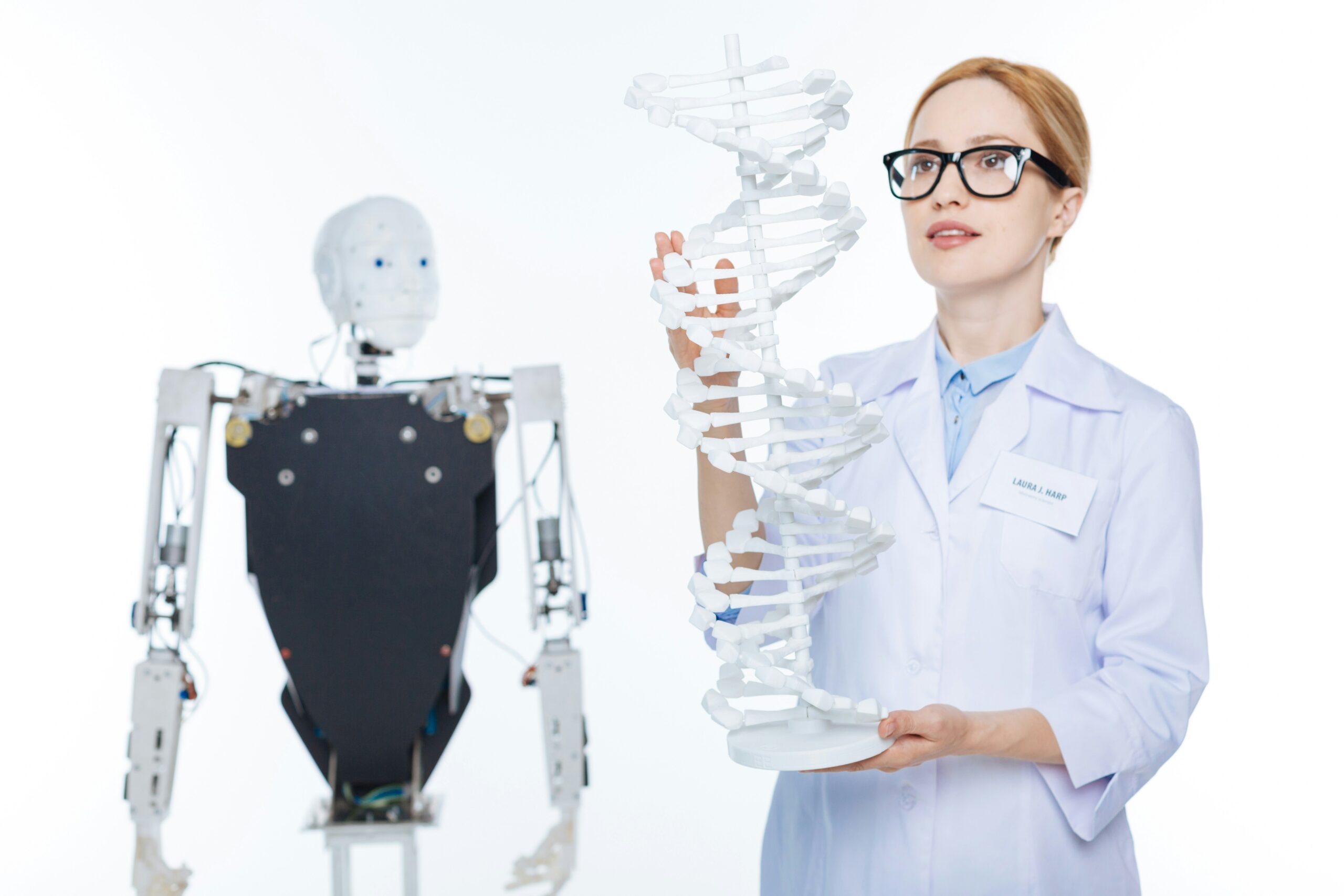
In modern healthcare settings, artificial intelligence is no longer a futuristic promise—it is actively transforming clinical workflows. By integrating innovative tools into everyday care, healthcare providers can enhance efficiency, minimize errors, and devote more attention to patient care. In this article, we examine how artificial intelligence in healthcare is reshaping workflows, the challenges it faces, and what comes next.
Why artificial intelligence matters for clinical workflows
Healthcare systems face rising costs and staffing shortages. Artificial intelligence in healthcare helps ease these burdens by enhancing diagnostics, treatment planning, patient monitoring, and workflow efficiency. The term “clinical workflows in healthcare” refers to the sequence of tasks that providers, nurses, and staff undertake to deliver care. When artificial intelligence in healthcare enters those workflows, it offers support at every step—from data capture and documentation to decision-making and follow-up care.
By embedding artificial intelligence into healthcare workflows, organizations can automate tedious tasks, freeing clinicians to spend more time with patients and reducing burnout. Documentation takes up a large portion of clinician time, and artificial intelligence can relieve that load. The result is smoother operations, more efficient resource utilization, and an enhanced patient experience.
Key areas where artificial intelligence is transforming clinical workflows
Data ingestion and documentation
One of the first places artificial intelligence shows value is in capturing and structuring data. Clinical notes, charts, and electronic health records often require manual input. With artificial intelligence in healthcare, providers utilize voice recognition, natural language processing, and ambient listening tools to reduce manual effort. By embedding artificial intelligence into clinical workflows, the documentation burden drops, accuracy improves, and workflows become faster.
Decision support and diagnostics
When clinical teams need to interpret large amounts of data—such as imaging, lab results, and patient histories—artificial intelligence in healthcare steps in, advanced models evaluate imaging scans, flag anomalies, and support clinical workflows by offering diagnostic suggestions. In clinical workflows in healthcare, decision support powered by artificial intelligence can alert providers to risk patterns, assist treatment planning, and drive more consistent care pathways.
Workflow automation and task orchestration
Beyond documentation and diagnostics, artificial intelligence in healthcare streamlines the workflow itself. For example, when a patient finishes a visit, artificial intelligence tools may trigger alerts for follow-up, schedule lab tests, assign tasks, or route care automatically. In clinical workflows, these intelligent orchestration features reduce hand-offs and delays. These features make clinical processes more predictable, efficient, and responsive.
Monitoring, predictive analytics, and patient engagement
Artificial intelligence in healthcare also supports monitoring and prediction. By analyzing patient data over time, AI can predict deterioration, identify patients at risk of readmission, and trigger proactive care. Embedding artificial intelligence into clinical workflows creates feedback loops: the system monitors patients, alerts providers, and helps engage patients directly. At scale, this reshapes how care teams operate and how workflows evolve.
Benefits of this transformation
When artificial intelligence takes an active role in clinical workflows, healthcare organizations see several benefits. They speed up workflow execution and reduce wait times. They reduce manual documentation time, allowing clinicians to spend more time engaging with patients. Artificial intelligence in healthcare can improve workflow efficiency and clinician satisfaction. The workflow becomes more predictable, tasks shift from reactive to proactive, and care quality may rise.
In addition, artificial intelligence in healthcare helps reduce human error. When applied in clinical workflows, AI helps standardize processes, present decision-support prompts, and alert to deviations from expected care pathways. That risk reduction enhances patient safety and improves outcomes.
Finally, workflow transformation via artificial intelligence may lead to cost savings. Less wasted clinician time, fewer redundant tasks, fewer errors, and smoother patient flow all contribute to improved economics. Artificial intelligence in healthcare is becoming a key enabler for sustainable clinical workflows.
Challenges to adoption
While the promise of artificial intelligence in healthcare is strong, embedding it into clinical workflows still presents real challenges. Many institutions struggle with data integration, interoperability, clinician acceptance, and workflow redesign. Guidelines remain limited, and the ratio of research to operational deployment remains small.
Other obstacles arise around algorithmic bias, data privacy, and the interpretability of artificial intelligence systems. For clinical workflows in healthcare, trust is essential—clinicians must believe that AI recommendations are accurate, safe, and understandable.
Finally, workflow redesign itself matters. You cannot simply insert artificial intelligence in healthcare and expect smooth adoption. Staff training, change management, and workflow alignment are critical for success. A tool alone does not change workflows; it is the organization that does.
Steps to integrate artificial intelligence into clinical workflows
For healthcare organizations planning to implement artificial intelligence in workflows, several steps help pave the way. First, establish clear workflow goals: reduce documentation time, improve diagnostic accuracy, shorten throughput. Align these goals with artificial intelligence in healthcare strategy. Then, focus on the data foundation: ensure that electronic health records and other systems can feed AI tools reliably. Next, integrate AI tools into the workflow in a way that supports clinicians rather than disrupts them.
Pilot small, measure outcomes, refine the process. Once the artificial intelligence tool works in one workflow, scale it to other areas, continuously evaluate workflow impact, error rates, clinician satisfaction, and patient outcomes.
Real-world use cases
One example of artificial intelligence affecting clinical workflows in healthcare is the use of imaging AI in real hospitals. Hospitals are testing AI models that refine workflows and integrate AI into imaging tasks. Another example shows how artificial intelligence transforms clinical documentation and workflow automation, shifting manual tasks to AI assistance.
These examples show that artificial intelligence in healthcare is not just a novelty—it is actively transforming workflows in diagnostics, documentation, and patient follow-up.
Key considerations for the future
Looking ahead, artificial intelligence in healthcare will continue shaping clinical workflows. Organizations need to plan for scalability, governance, and ethical oversight. As workflows evolve, the role of human clinicians remains central: artificial intelligence enhances rather than replaces human judgment.
Additionally, workflow design will shift from reactive models to proactive ones, as artificial intelligence triggers insights, schedules tasks, and enables care teams to intervene early. In those transformed clinical workflows in healthcare, patient-centered care becomes more efficient and tailored.
Artificial intelligence is transforming clinical workflows in healthcare in profound ways. From documentation to diagnostics, from monitoring to decision support, the integration of AI empowers healthcare providers to work smarter, faster, and more effectively. While challenges remain, well-designed deployments show real benefits. Healthcare organizations that align strategy, data infrastructure, and workflow design will unlock the potential of artificial intelligence in healthcare. The result: smoother clinical workflows, improved patient care, and a healthcare system that adapts and thrives in a complex environment.